Unlock Property Wealth

Arvind Singh
| 29-09-2025
 · Information Team
Presenting the World's Beauty Before Your Eyes.
Advertisement
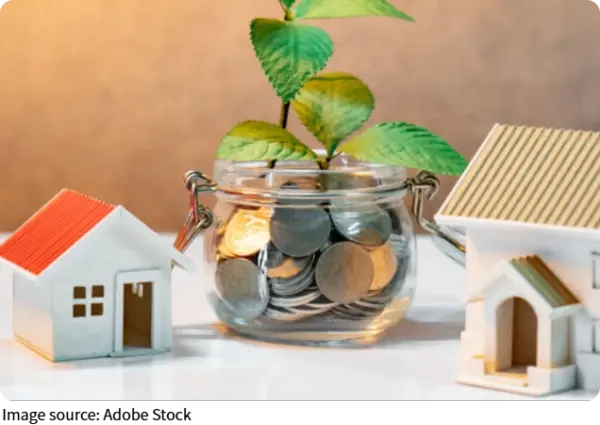
Hey Lykkers! Let's talk about something that separates amateur property viewing from professional real estate strategy. When most people walk through a house, they see rooms, walls, and windows.
But when you understand how to identify value-adding architectural features, you're not just looking at a home—you're analyzing an investment.
As your financial guide to property value, I'm going to show you how to spot the architectural elements that truly impact a property's worth, both now and in the future.
The Financial Blueprint: Understanding Value Versus Cost
Before we start our walkthrough, let's clarify a crucial distinction: there's a big difference between expensive features and valuable ones. A marble countertop might be costly to install, but a well-designed open floor plan adds genuine, lasting value. The key is to identify features that:
Presenting the World's Beauty Before Your Eyes.
Advertisement
Stop Guessing—Start Zooming: The Microscopic Fix That Unlocks Massive Revenue!
Cash Disappearing Like Magic? These Financial Clues Could Save Your Business!
The Hidden Power of Market Cap: Transform Your Investing Game Overnight!
Gold Fraud Exposed: Simple Tricks to Save Your Wealth Now!
Healthspan vs. Lifespan: The New Goal of Longevity Medicine!
Unlock Gold's Secret Price Power Now!
- Enhance livability and functionality
- Reduce future maintenance costs
- Appeal to future buyers
- Improve energy efficiency
- Maximize space and flow
The Value Walkthrough: Room-by-Room Analysis
1. The Foundation: More Than Just Concrete
Look beyond the surface. A solid, well-constructed foundation isn't glamorous, but it's your best insurance against future repair costs. Check for:
- Even flooring (no slopes or dips)
- No cracks in walls or ceilings
- Proper drainage away from the foundation
2. The Roof Overhead: Your Maintenance Budget Guardian
A quality roof is a silent financial protector. Look for:
Presenting the World's Beauty Before Your Eyes.
Advertisement
- Newer roofing materials (under 10 years old)
- Proper ventilation systems
- Quality gutters and drainage
- Energy-efficient reflective surfaces in warm climates
3. Windows and Doors: The Efficiency Multipliers
High-quality windows and doors might seem like details, but they're actually financial workhorses:
- Energy-efficient double or triple-pane windows
- Proper sealing and insulation
- Strategic placement for natural light
- Quality materials that reduce replacement frequency
The Big Three Value Multipliers
1. Flow and Function: The Open Floor Plan Advantage
Homes with good flow don't just feel better—they're worth more. Look for:
Presenting the World's Beauty Before Your Eyes.
Advertisement
- Logical room connections
- Flexible spaces that can adapt to different uses
- Smooth transitions between living areas
- Minimal wasted space
2. Structural Smarts: Built-In Efficiency
Some of the most valuable features are the ones you can't see:
- Quality insulation in walls and attics
- Efficient HVAC system placement
- Smart electrical and plumbing layouts
- Load-bearing walls that allow for future modifications
3. Outdoor Integration: Bringing Value Inside-Out
The connection between indoor and outdoor spaces is increasingly valuable:
- Consistent flooring materials that flow outdoors
Presenting the World's Beauty Before Your Eyes.
Advertisement
- Large doors that open to patios or gardens
- Covered outdoor living areas
- Strategic window placement for views and light
The Financial Impact: Quantifying Architectural Value
According to a 2022 report by the National Association of Realtors (NAR), homes with strong natural light and open floor plans often sell for 8-12% more and typically spend 20-40% less time on the market compared to similar properties without these features. Energy-efficient windows and insulation can also reduce utility bills by 5-10% annually.
Red Flags: Features That Subtract Value
Just as important as spotting value-adders is identifying value-destroyers:
Presenting the World's Beauty Before Your Eyes.
Advertisement
- Poorly executed DIY renovations
- Strange room layouts that can't be easily changed
- Structural modifications without proper permits
- High-maintenance materials in hard-to-reach places
- Features that don't match the neighborhood standard

Your Architectural Value Checklist
Next time you tour a property, bring this mental checklist:
- Does the floor plan make sense for daily life?
- Are there signs of quality construction?
- How old are the major systems (roof, HVAC, plumbing)?
- Is there good natural light throughout?
- Do outdoor spaces integrate well with indoors?
- Are there any obvious maintenance red flags?
Presenting the World's Beauty Before Your Eyes.
Advertisement
- Do the features match what future buyers will want?
Remember Lykkers, when you're evaluating a property, you're not just buying a place to live—you're making a financial investment. The ability to spot truly valuable architectural features will help you make smarter decisions, whether you're buying your first home or building a property portfolio.
What's the most valuable architectural feature you've discovered in a home? Share your findings below—let's learn from each other's experiences.