Snowy Gassho Village

Ethan Sullivan
| 28-01-2026
 · Travel Team
Presenting the World's Beauty Before Your Eyes.
Advertisement
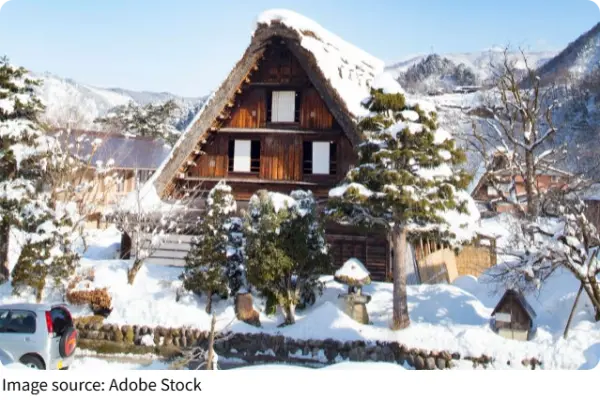
Let’s begin in Shirakawa-go, a UNESCO World Heritage village tucked away in Gifu Prefecture, Japan. Famous for its gasshō-zukuri houses—steep, thatched roofs shaped like hands held together—the village offers a memorable look at traditional rural life.
Surrounded by snow-capped mountains, Shirakawago is not just scenic; it’s a living history museum where each house, river, and street tells a story of resilience and harmony with nature.
Best Time to Visit
We find Shirakawago enchanting year-round, but your experience depends on the season:
- Winter (December–February): Snow blankets the village, and evenings bring cozy illumination. This is peak photography season.
Presenting the World's Beauty Before Your Eyes.
Advertisement
- Spring (April–May): Fresh greenery and blooming flowers make the valley lively and vibrant.
This Tiny Seaside Spot Looks Fake—Until You See the Water in Vernazza
Discover Lichtenau: A Small German Town with Nature Trails, Historic Sites, and Budget‑Friendly Travel Tips!
Discover France’s Wild Edge! Complete Ouessant Island Travel Guide with Prices, Transport, Stays, Dining & Tips!
Escape to Ballynahinch Castle: Where We Can Relax by Rivers, Hike Mountains, Enjoy Fishing, and Experience Irish Luxury!
Discover Valencia’s L’Oceanogràfic: Europe’s Largest Aquarium with Sharks, Dolphins, and 500 Stunning Species!
The Windmill Village Everyone Photographs—Here’s How to Beat the Crowds
- Autumn (October–November): The mountains turn gold and red, creating breathtaking scenery.
- Summer (June–August): Ideal for hiking nearby trails, though warmer and busier.
For a quieter experience, weekdays are recommended, as weekends attract large tour groups.
Shirakawa-go
Opening Hours and Tickets
Most gasshō-zukuri houses are open daily from 9:00 AM to 5:00 PM:
- Wada House: $5 per person, featuring traditional interiors and farming tools.
- Kanda House: $4 per person, showcasing silkworm cultivation and family life.
Presenting the World's Beauty Before Your Eyes.
Advertisement
Walking around the village is free. The Shiroyama Viewpoint is free to access, and some visitors use a paid shuttle bus (about $2 one-way) instead of walking, depending on conditions.
Transportation
Shirakawago is remote but accessible:
- From Takayama: Direct buses from Takayama Station take about 50 minutes, costing $10 one-way. Buses run every hour.
- From Kanazawa: Direct buses take about 1.5 hours, $14 per one-way trip.
- By Car: Renting a car allows flexibility, but parking is limited near the village; parking fees are around $3–$5.
Once in the village, exploring on foot is best. Local shuttle buses help visitors reach some remote houses or viewpoints.
Presenting the World's Beauty Before Your Eyes.
Advertisement
Accommodation Options
Staying in a gasshō-style inn offers a full cultural experience. Options include:
- Shirakawago no Yu: $120–$150 per night, including breakfast and onsen (hot spring) access.
- Family-run guesthouses: $80–$100 per night, cozy and authentic, often with home-cooked meals.
Booking in advance is strongly recommended, especially in winter or during festivals.
Dining and Local Cuisine
Shirakawago offers local Hida specialties:
- Hida potato croquettes: $4–$6 each, a must-try street snack.
- Soba noodles and rice dishes: $8–$15 per meal, often using locally grown ingredients.
Presenting the World's Beauty Before Your Eyes.
Advertisement
- Local cafes: $3–$6 for tea, coffee, and sweets.
We recommend trying small family-run restaurants, which provide not only delicious food but also insight into village life.
Must-See Attractions
- Shiroyama Viewpoint: Perfect for panoramic photos of the village rooftops and surrounding mountains.
- Wada House & Kanda House: Iconic gasshō homes open to visitors.
- Shirakawago Museum: Exhibits traditional tools, crafts, and the history of the village.
- Local festivals: Seasonal events feature traditional music, dance, and crafts, giving visitors a lively glimpse into village culture.
Presenting the World's Beauty Before Your Eyes.
Advertisement
Practical Tips for Visitors
- Wear sturdy, comfortable shoes; streets are uneven and steep.
- Bring cash, as many shops and inns don’t accept cards.
- In winter, layer clothing and wear waterproof footwear.
- Early mornings or late afternoons provide the best light for photography and fewer crowds.
- Respect local residents, especially when entering homes or inns.
- Carry a small backpack with water and snacks if planning to walk or hike.

Why Shirakawa-go Stays With You
Shirakawa-go is more than a scenic stop—it’s a calm, carefully preserved window into how people adapted to heavy snowfall and steep terrain over centuries. Between the bold rooflines, quiet streets, and thoughtful hospitality, the village leaves many visitors with a lasting sense of beauty and balance.
Presenting the World's Beauty Before Your Eyes.
Advertisement